
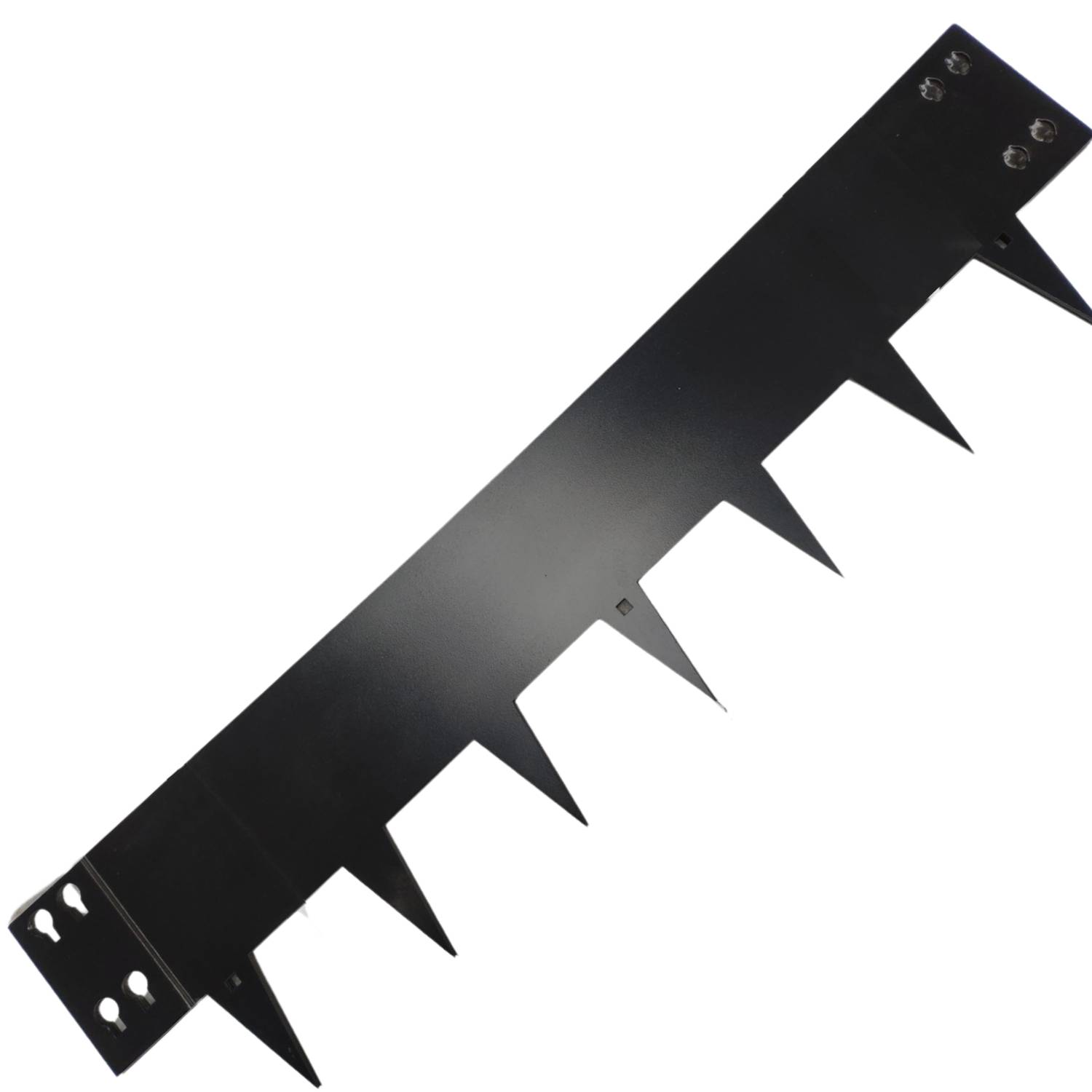
Landscape Edging
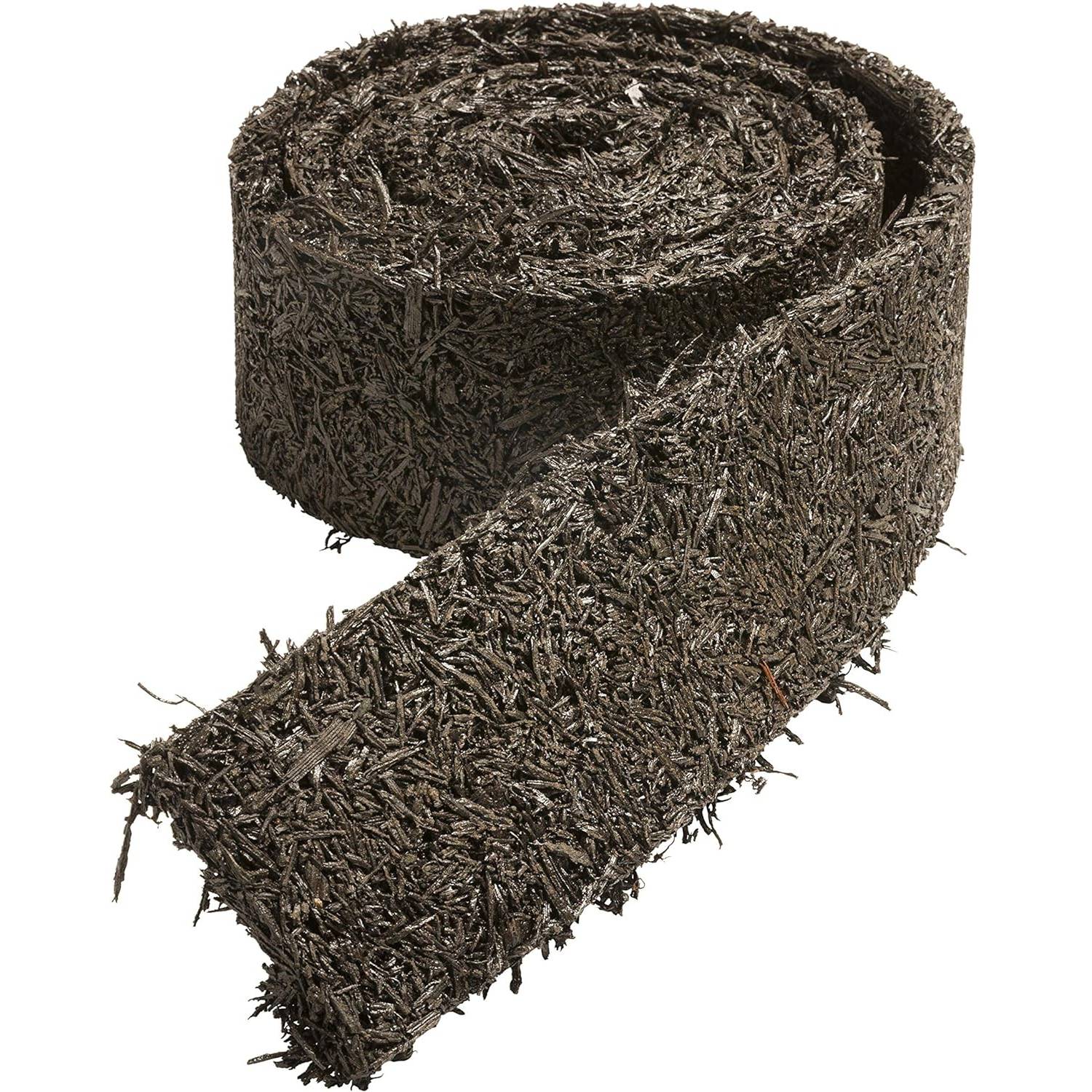
Stainless steel, coreten, black steel, corrugated iron and recycled rubber edging, sold by the metre or by the roll. Free delivery across Australia on orders over $100; prices include GST.
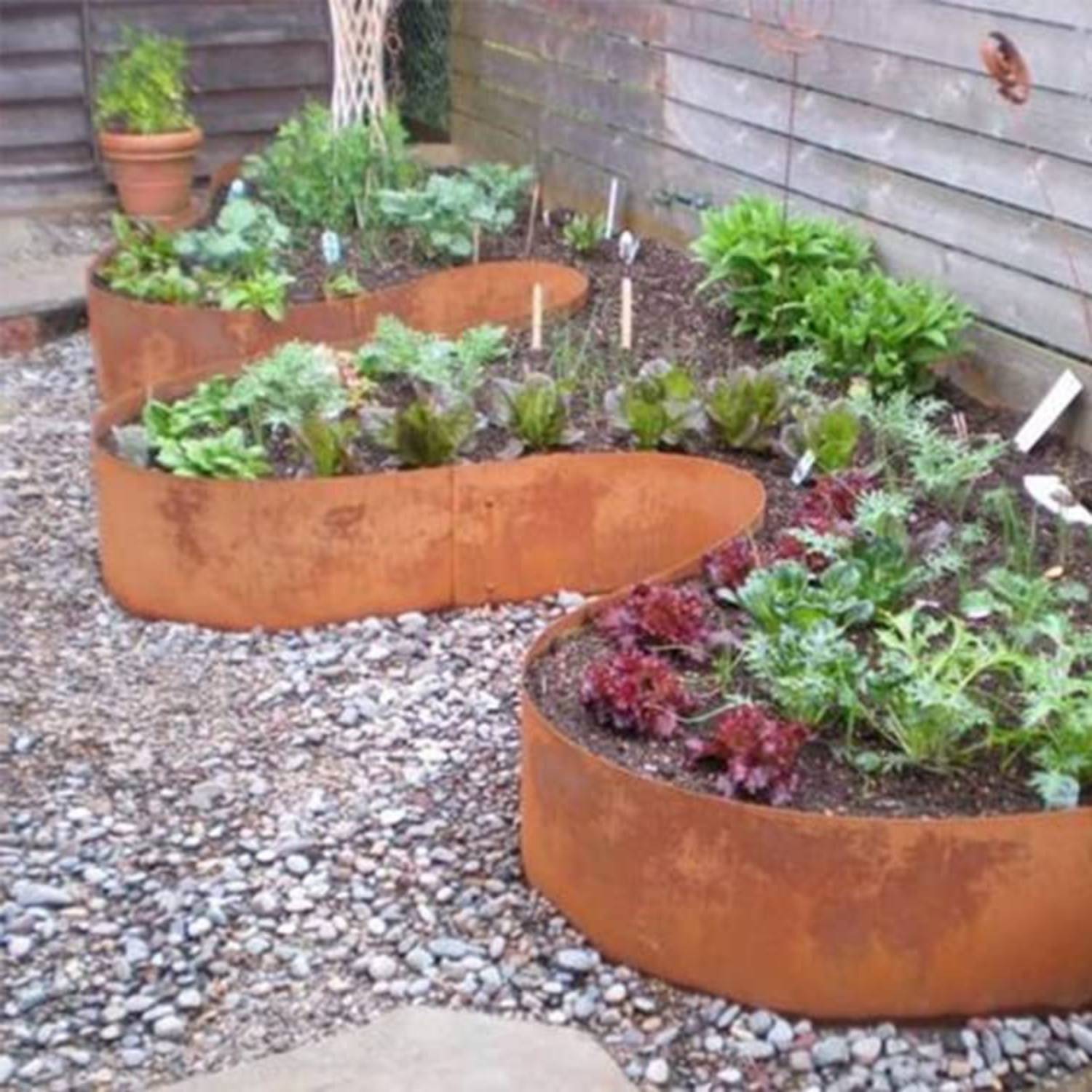
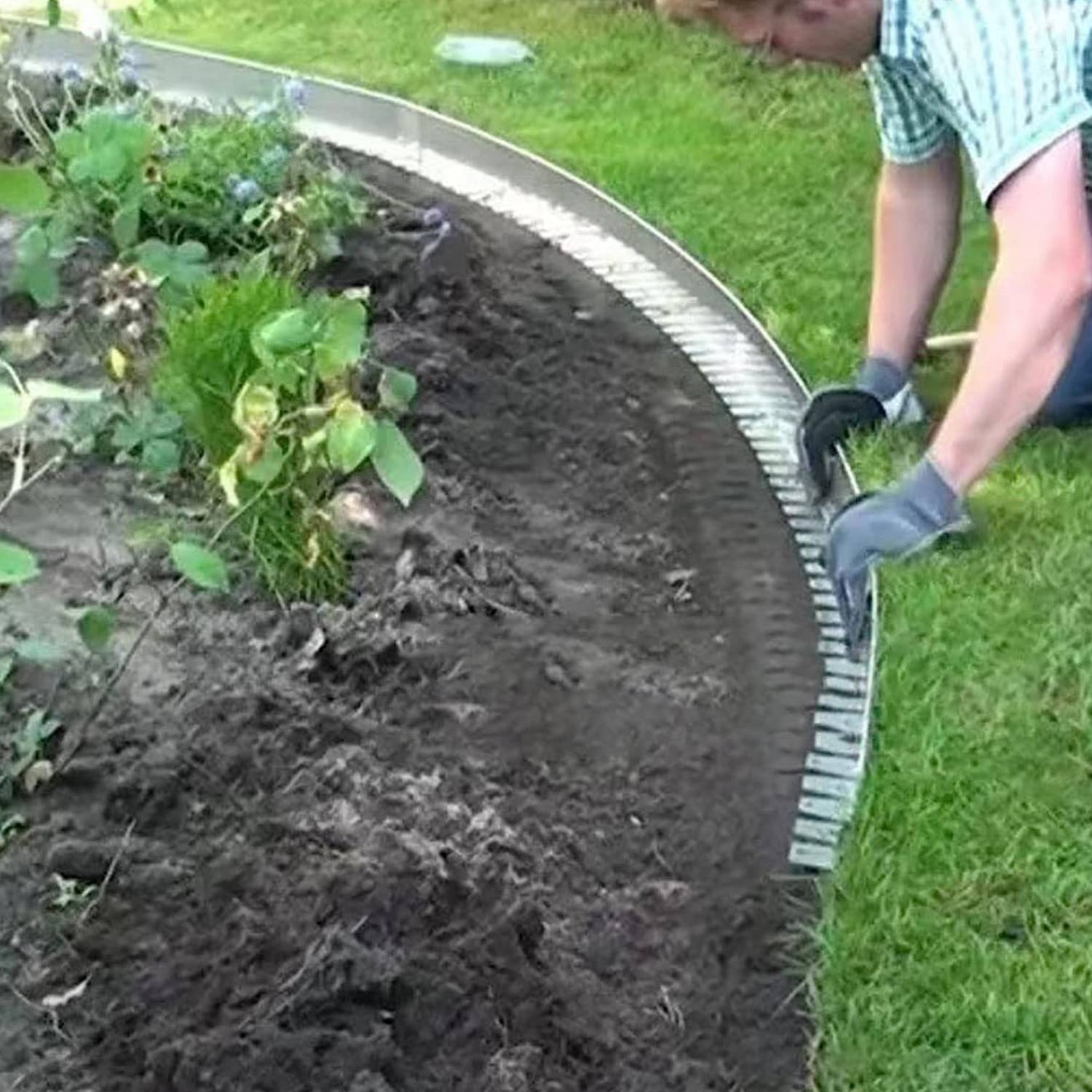
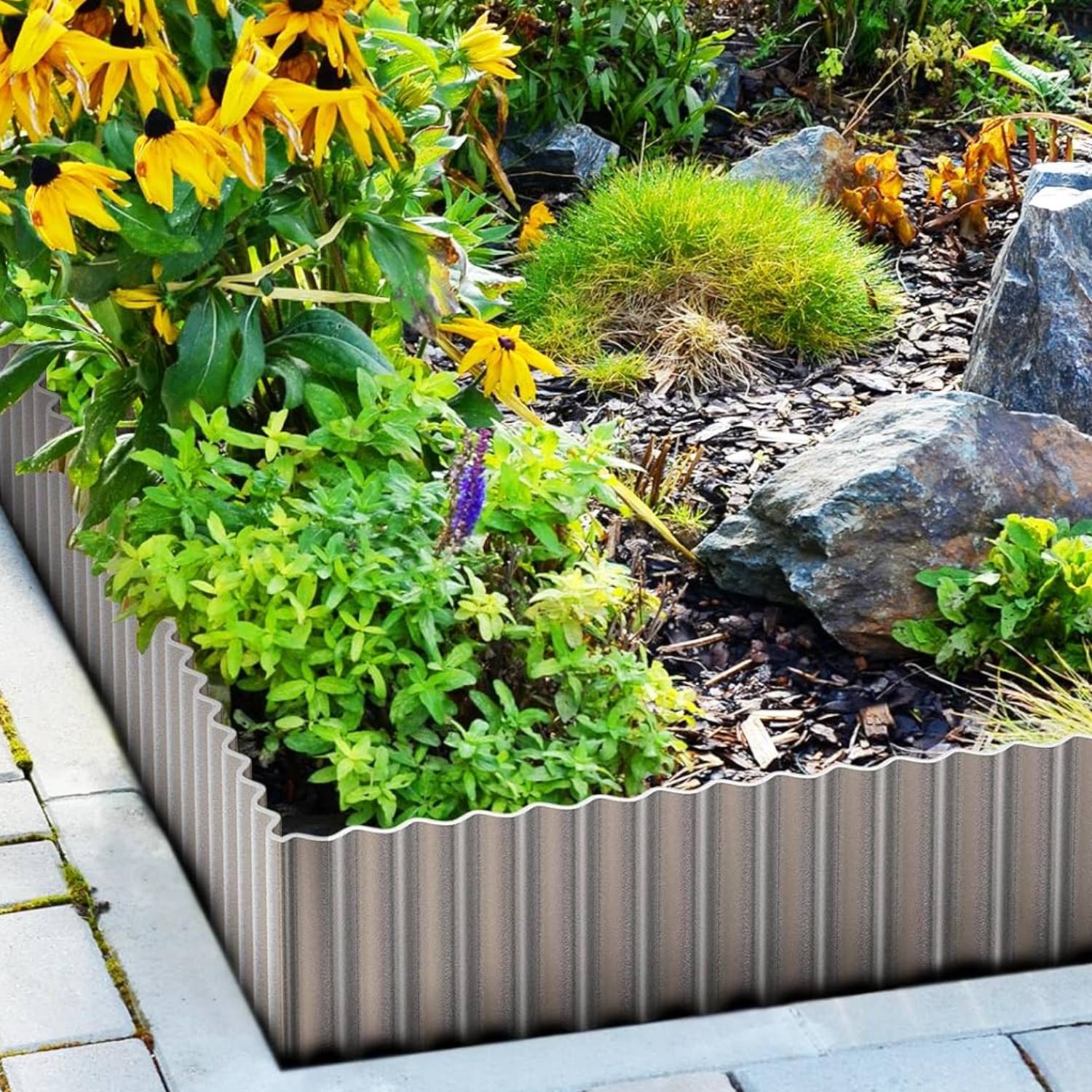
Plastic Edging
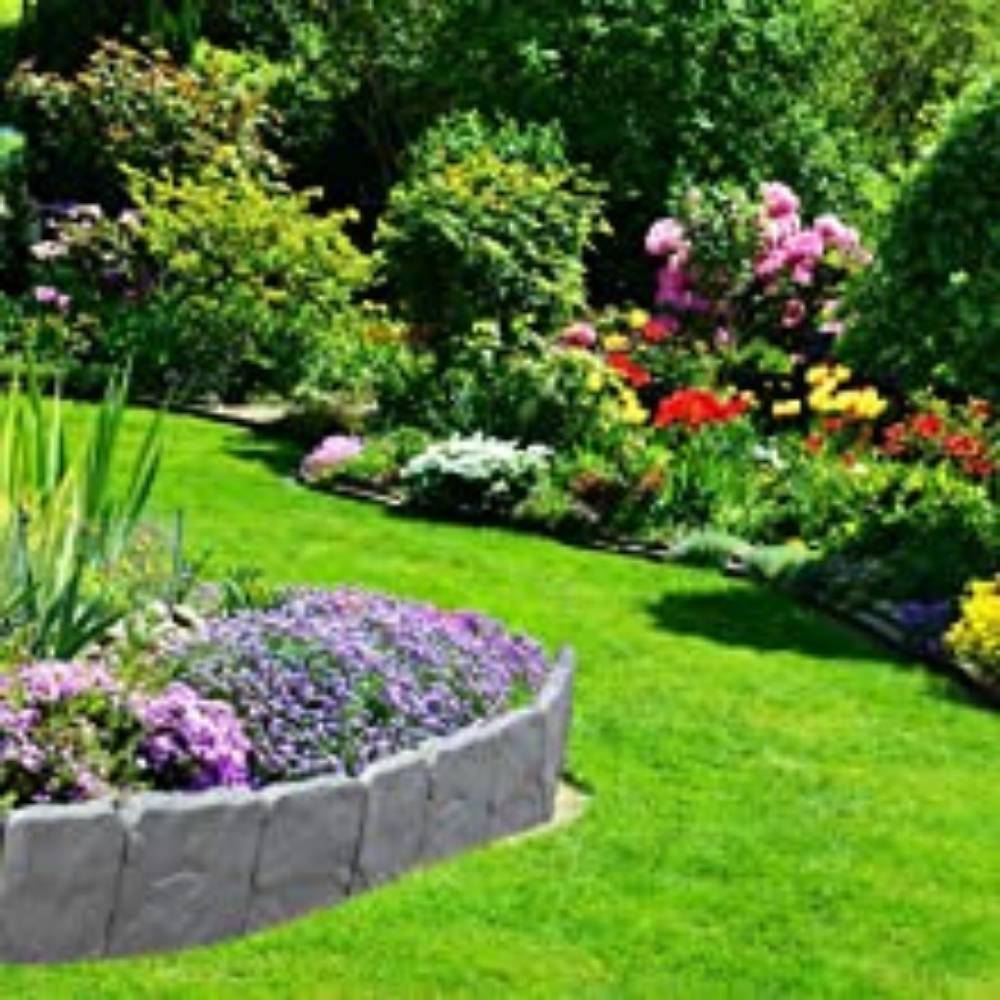
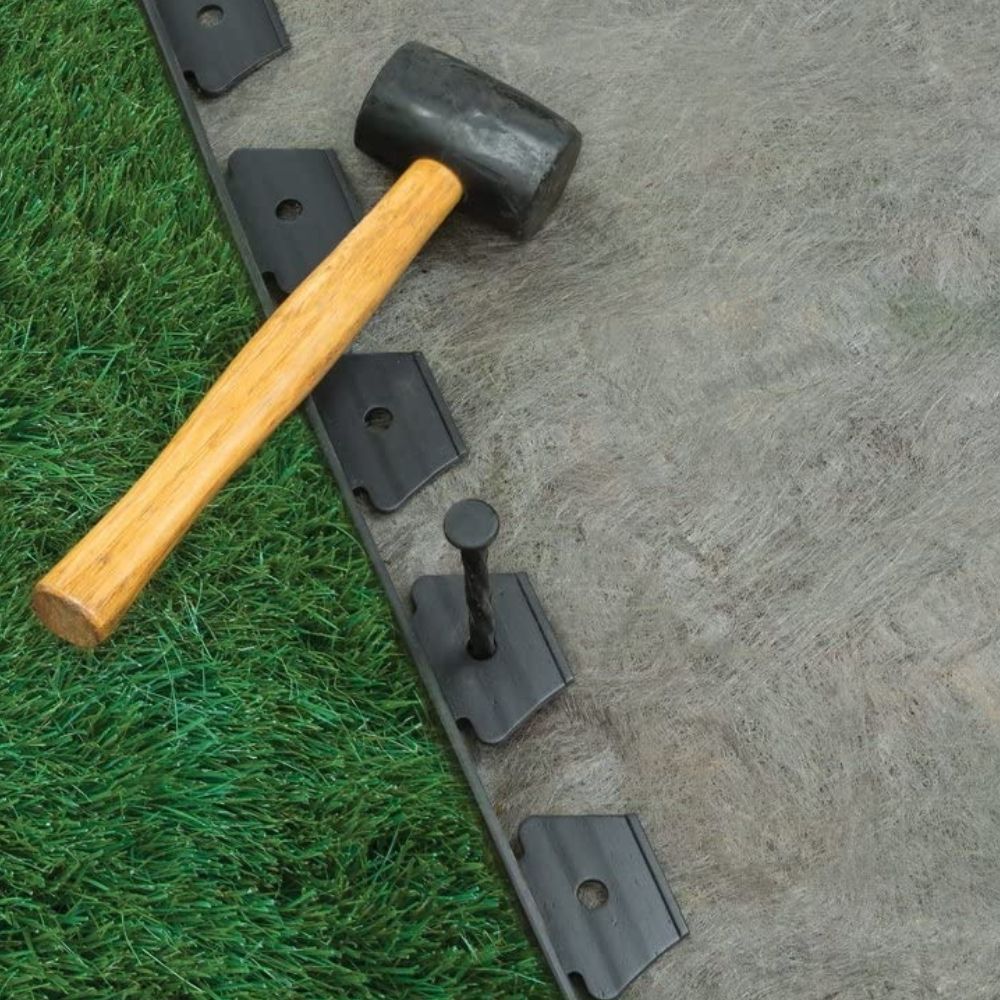
Flexible black plastic garden edging by the metre in 5 cm and 10 cm face heights, and grey border edging by the 24 cm section. Free delivery across Australia on orders over $100; prices include GST.
Accessories
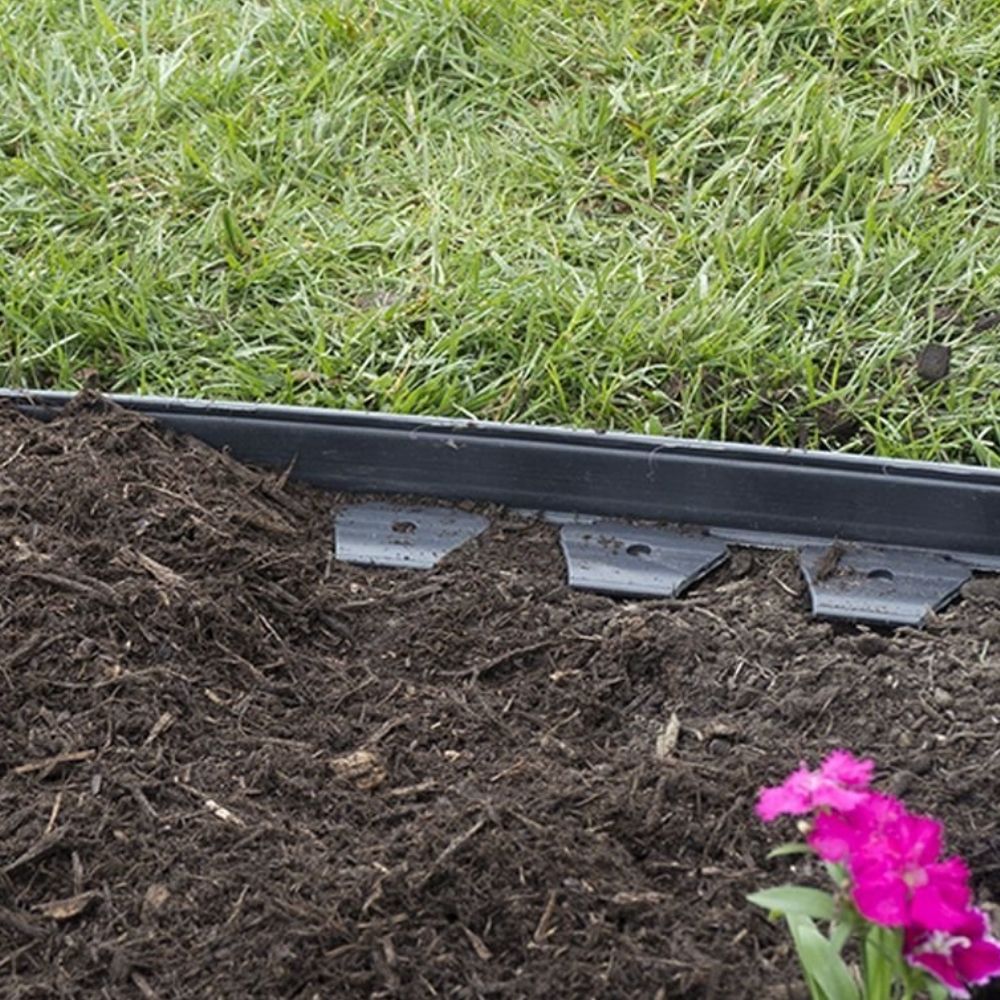
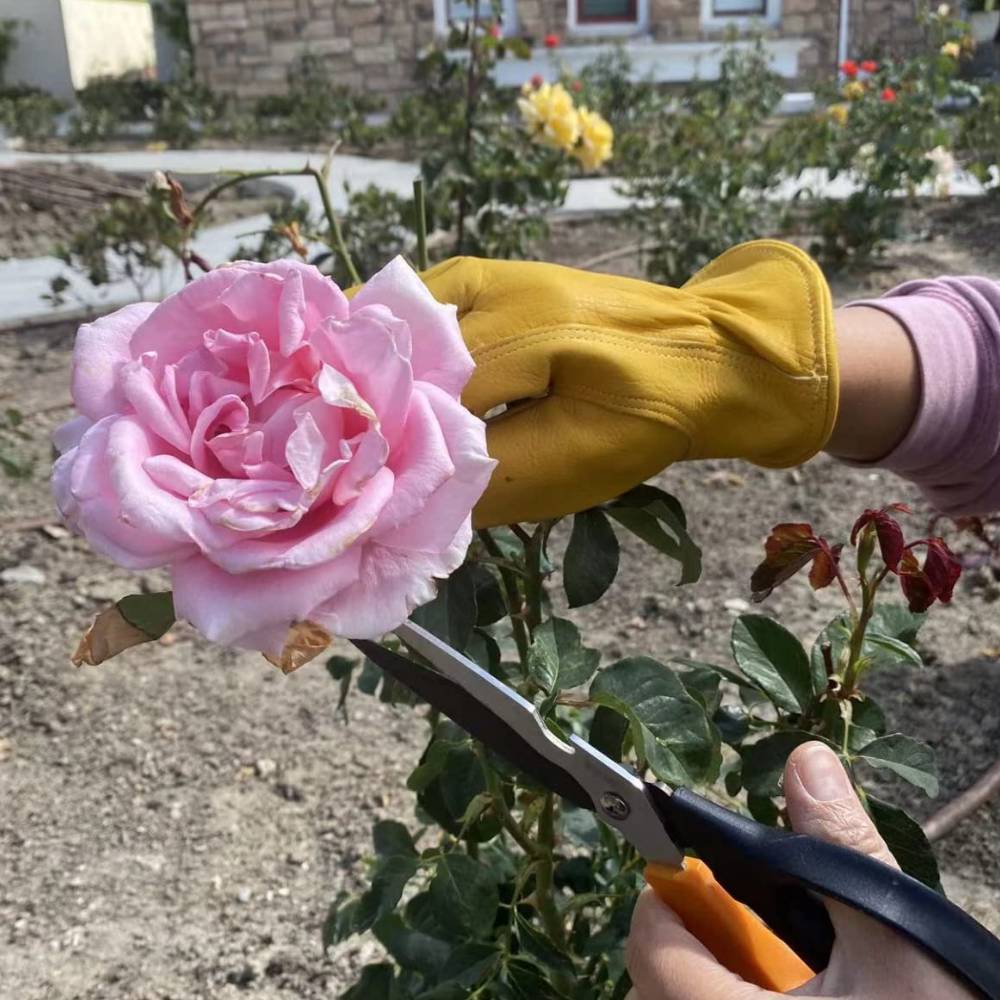
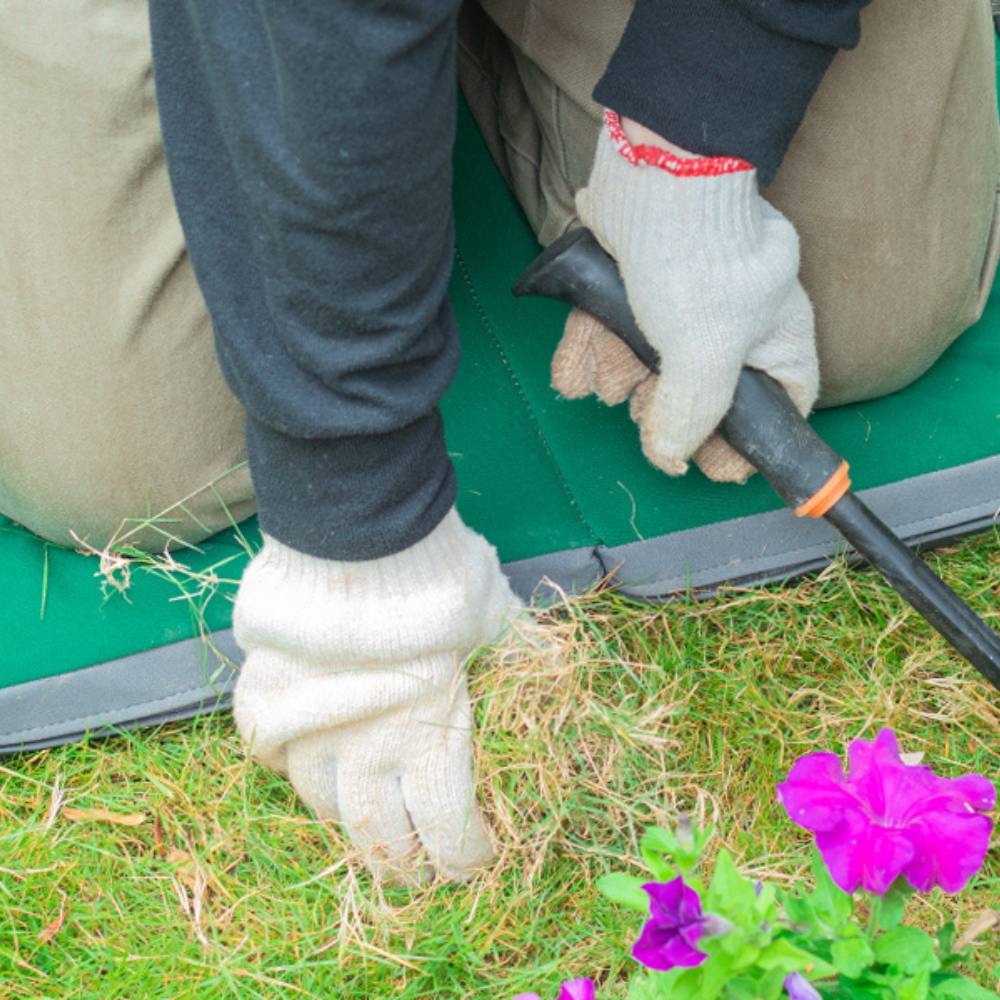
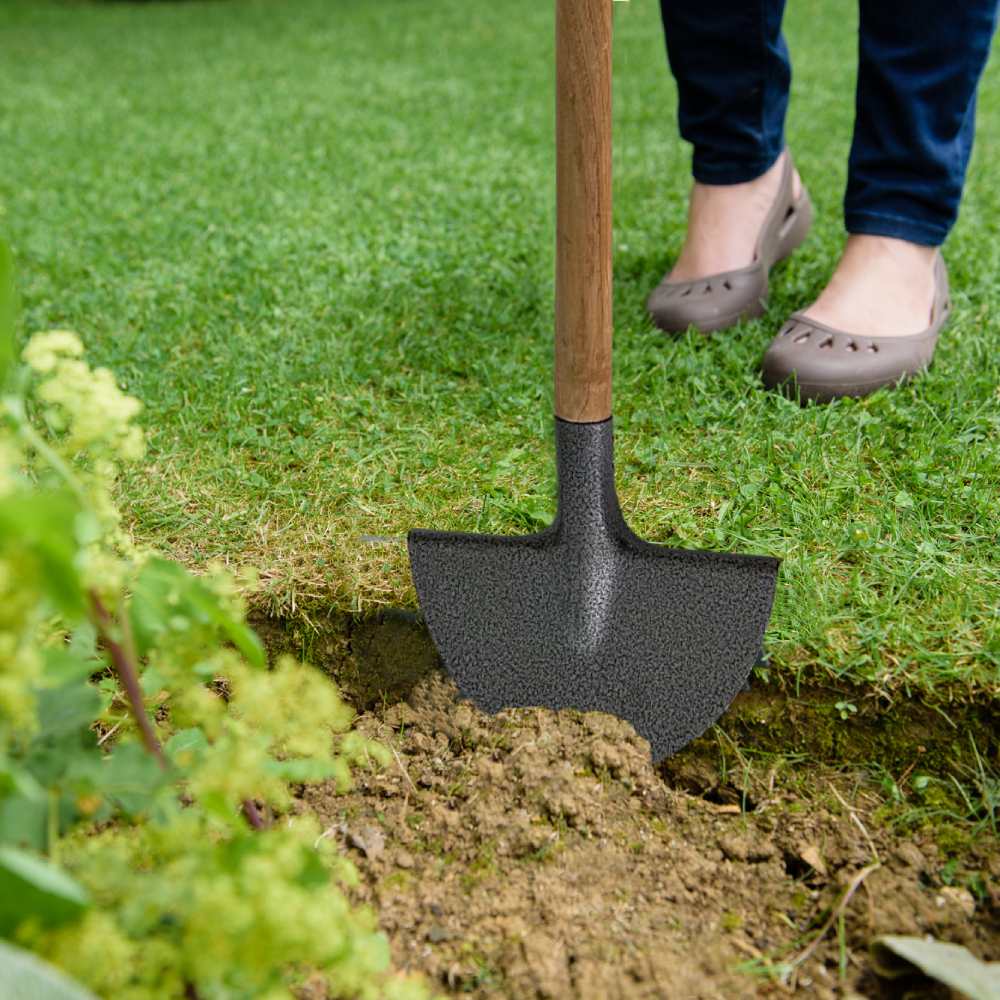
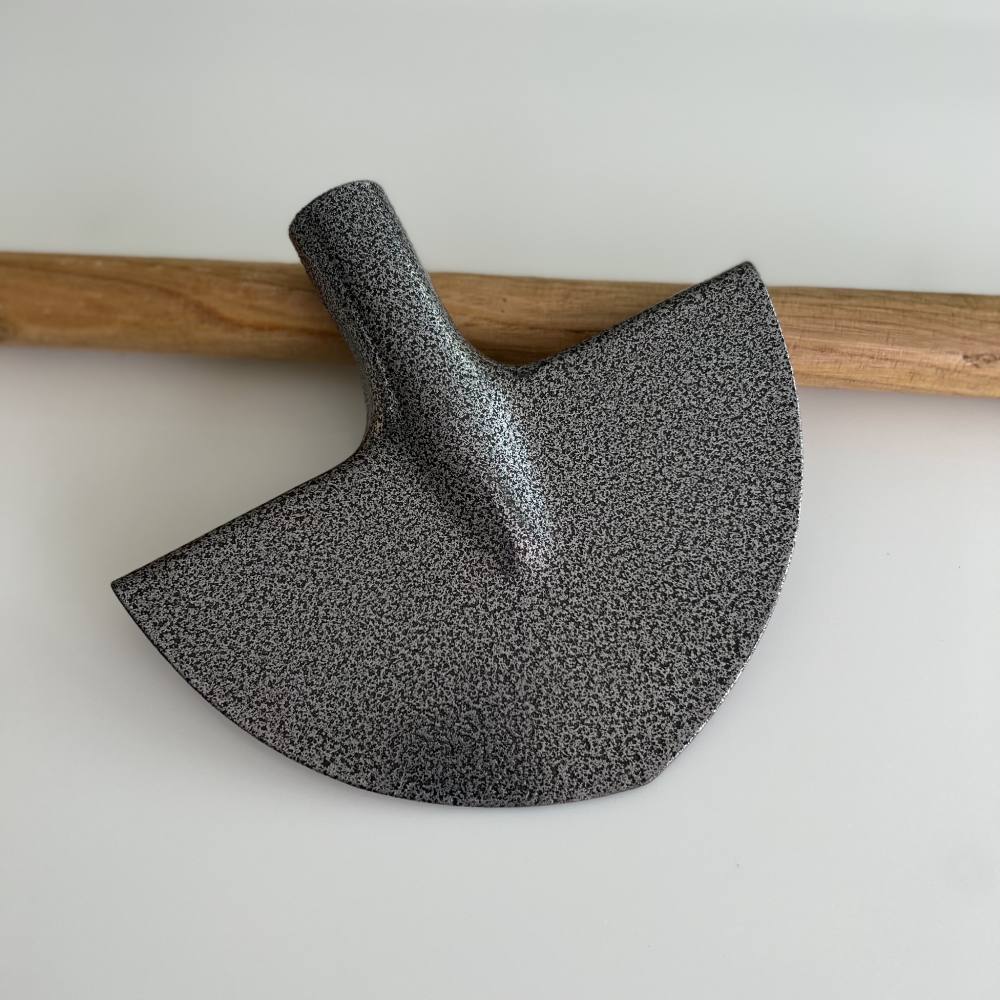
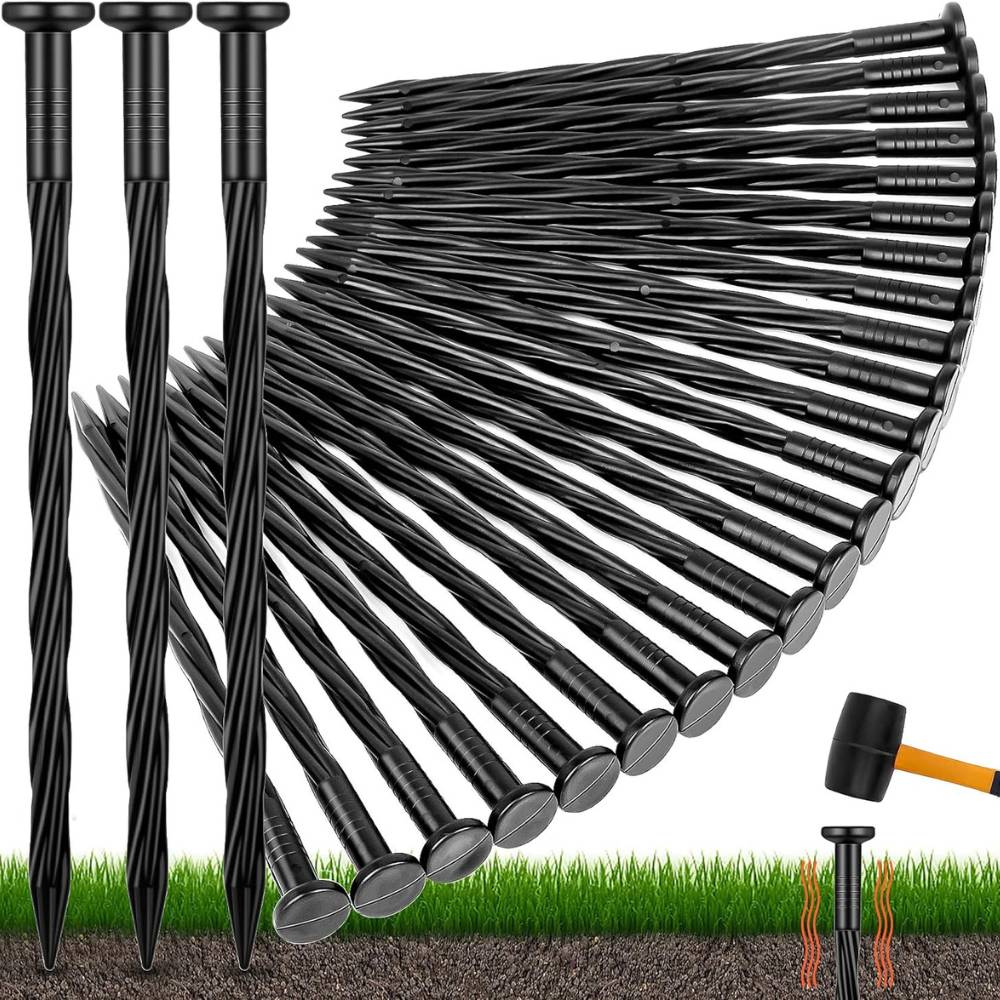
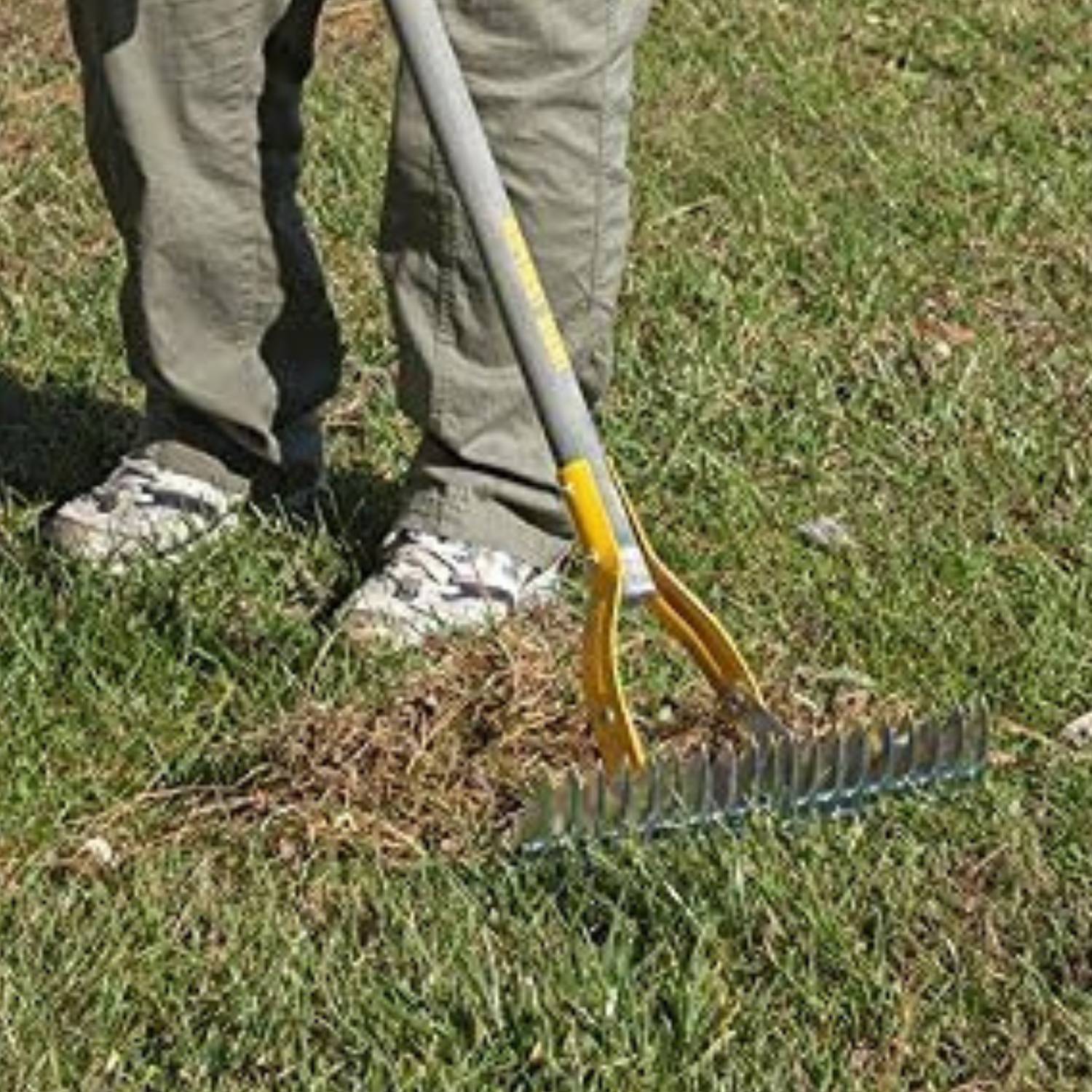
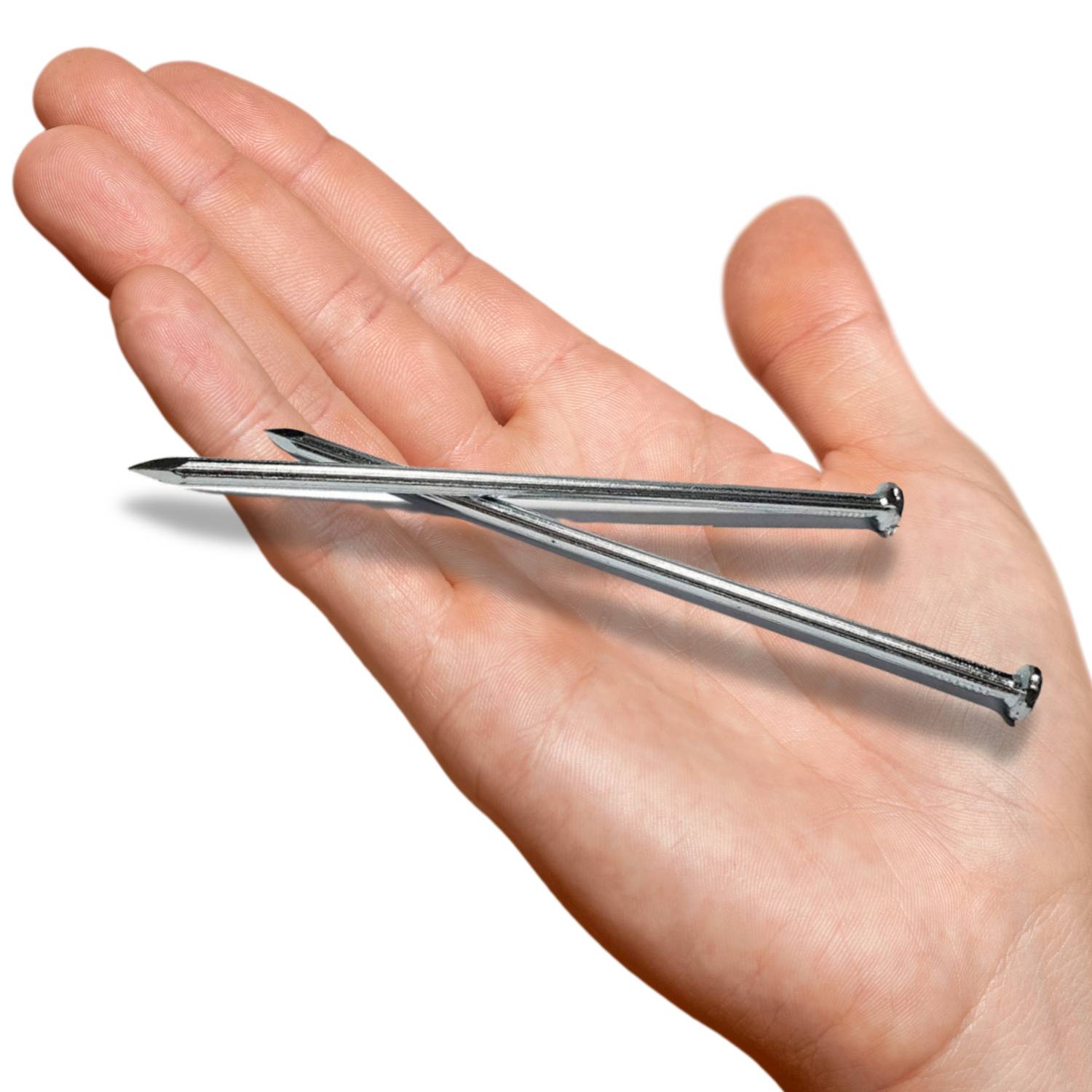
The tools that go with the edge: half moon spades, a hand edger, a dead blow hammer, a thatching rake, leather gloves, a kneeling pad and both steel and plastic anchoring spikes. Free delivery across Australia on orders over $100; prices include GST.
Garden Edges & Borders | Grass Lawn Edging | Lawn Edging Border
The Premier Garden Edge Online Store
Whether you're looking to define the borders of your flower beds, create pathways, or prevent the encroachment of grass or weeds, our range of garden edge products has you covered.
Lawn Edging
Accessories
Welcome to our Garden Edge category, where you'll find an extensive selection of high-quality garden edging solutions to enhance the beauty and functionality of your outdoor space. Whether you're looking to define the borders of your flower beds, create pathways, or prevent the encroachment of grass or weeds, our range of garden edge products has you covered. With various materials, styles, and sizes to choose from, you can easily achieve a polished and well-maintained garden. Explore our collection and discover the perfect garden edge for your landscaping needs.
Enhance Your Landscape with Versatile Garden Edging Solutions
Creating a well-defined and organized garden or lawn requires the right tools and materials. One essential element is garden edging, which not only adds aesthetic appeal but also serves practical purposes. In this article, we will explore the various types of garden edging, including flexible plastic, metal, stainless steel, and corten steel options. Each type offers unique benefits and can elevate the overall look of your outdoor space. Let's delve into the world of garden edge options and discover the perfect fit for your landscaping needs.
Flexible Plastic Garden Edge: A Practical and Affordable Choice
Flexible plastic garden edge is a popular option for homeowners seeking a cost-effective and versatile solution. Made from durable plastic materials, this type of garden edge is easy to install and can be shaped to fit various landscape designs. Its flexibility allows for seamless curves and smooth lines, enabling you to create unique border patterns. We will explore the benefits, installation process, and maintenance tips for flexible plastic garden edge, showcasing its functionality and budget-friendly advantages.
Metal Garden Edge: Adding Elegance and Durability to Your Landscape
For those looking to elevate their garden's aesthetics with a touch of elegance and durability, metal garden edge is an ideal choice. Whether you prefer the sleekness of aluminum or the rustic charm of steel, metal garden edging offers a sturdy and long-lasting solution. We will discuss the different metal options available, their distinctive features, and the installation techniques to achieve a professional finish. Additionally, we will highlight how metal garden edge enhances the overall appeal of your outdoor space while providing structural integrity.
Stainless Steel Garden Edge: Combining Style and Functionality
When it comes to a sleek and modern look, stainless steel garden edge stands out as a top choice. Its clean lines and reflective surface can transform any garden into a contemporary oasis. Stainless steel garden edging is not only aesthetically pleasing but also highly durable, resistant to corrosion, and capable of withstanding harsh weather conditions. We will delve into the unique features of stainless steel garden edge, installation methods, and tips to maintain its pristine appearance over time.
Corten Steel Garden Edge: Embracing Rustic Charm and Longevity
If you desire a garden edge that exudes a natural and rustic vibe, corten steel is worth considering. This type of garden edging is made from weathering steel, which develops a protective layer of rust over time, creating a distinctive and attractive patina. Corten steel garden edge combines durability and aesthetics, adding character to any landscape design. We will explore the characteristics of corten steel, its installation process, and how it complements various garden styles, from modern to rustic.
Conclusion:
Investing in high-quality garden edging is a wise decision for any landscape enthusiast. Whether you opt for flexible plastic, metal, stainless steel, or corten steel garden edge, each option offers unique benefits and elevates the overall look of your outdoor space. By choosing the right garden edging material, you can create defined borders, enhance the visual appeal, and ensure the longevity of your garden or lawn. Embrace the versatility and beauty of garden edge solutions, and transform your landscape into a stunning masterpiece.
Frequently Asked QuestionsPlease note that the information provided is for reference purposes only, and it is advisable to consult specific product guidelines and professional advice for your specific lawn edging needs.
Transform Your Outdoor Space with Garden Edges & Borders
Creating well-defined boundaries in your garden not only adds structure and beauty but also helps maintain a clean, organized look. Garden edges and borders allow you to separate different sections of your yard, keeping lawn areas distinct from flower beds, pathways, and other landscaping elements. Whether you’re looking for a sleek, modern touch or a rustic, natural look, grass lawn edging and lawn edging borders offer practical and aesthetic benefits for every type of garden. In this post, we’ll explore the various types of garden edging, how to install them, and the benefits of adding edges and borders to your landscape.
What is Garden Edging?
Garden edging is the practice of creating a defined border between your lawn and other areas of your garden, such as flower beds, pathways, and patios. A lawn edging border serves as a barrier that keeps grass, mulch, and soil in place, helping to maintain an organized garden layout. From metal and plastic to stone and brick, there are various materials available, allowing you to choose the right style for your garden.
Benefits of Adding Grass Lawn Edging
Using grass lawn edging in your garden offers numerous advantages that enhance both the functionality and appearance of your outdoor space. Here’s why lawn edging borders are a popular choice for gardeners:
-
Keeps Garden Beds Clean: Lawn edging borders prevent grass, soil, and mulch from spilling into walkways or flower beds, keeping each section of your garden neat and contained.
-
Reduces Maintenance: By creating a clear boundary, grass lawn edging reduces the need for constant trimming and weeding, making garden maintenance easier.
-
Enhances Curb Appeal: A well-defined edge adds a polished, professional look to your landscape, improving the overall aesthetic of your garden.
-
Prevents Soil Erosion: Garden edges and borders help prevent soil erosion by keeping soil and mulch in place, especially during heavy rain or windy weather.
-
Flexible Design Options: With various materials and styles to choose from, lawn edging borders allow you to customize your garden layout to match your unique design preferences.
Types of Lawn Edging Borders
There are several types of lawn edging borders available, each offering different aesthetic and practical benefits. Here’s an overview of popular grass lawn edging options:
-
Metal Edging: Metal lawn edging borders provide a sleek, modern look and are highly durable. Materials like steel or aluminum offer rust resistance and are suitable for both straight and curved lines.
-
Plastic Edging: Plastic grass lawn edging is lightweight, flexible, and affordable. It’s easy to install, making it a popular choice for DIY projects. Plastic edging is available in various colors and styles to match your garden design.
-
Stone and Brick Edging: For a natural, rustic look, stone or brick lawn edging borders are ideal. They create a substantial, sturdy edge and blend well with traditional garden styles.
-
Wood Edging: Wood adds warmth and charm to a garden, making it perfect for cottage-style landscapes. However, wood may require regular maintenance to prevent rot and wear.
-
Rubber Edging: Made from recycled rubber, this eco-friendly grass lawn edging is durable, flexible, and safe for gardens frequented by children and pets.
How to Install Garden Edges & Borders
Installing garden edges and borders is a simple process that can greatly enhance your landscape’s appearance. Here’s a step-by-step guide to help you add lawn edging borders to your garden:
-
Plan Your Layout: Start by marking where you want to place the grass lawn edging. Use a garden hose or string to create a guide for straight or curved borders.
-
Prepare the Ground: Clear any grass, debris, or rocks from the area where you’ll install the edging. This ensures a smooth surface for easy installation.
-
Dig a Trench: Use a spade or edging tool to dig a shallow trench along the marked line. The trench should be deep enough to hold the lawn edging border securely.
-
Position the Edging: Place the garden edges and borders in the trench, ensuring they are aligned with your guide. For curved lines, gently bend flexible edging to match the desired shape.
-
Secure the Edging: Use stakes or pins to anchor the grass lawn edging in place. Many edging products come with stakes, or you can purchase them separately for added stability.
-
Backfill the Trench: Once the edging is in place, fill in the trench with soil to secure the edging and cover any exposed stakes. Press down on the soil to ensure stability.
-
Finish and Adjust: Smooth out the soil around the lawn edging border and make any final adjustments to ensure everything is level and aligned.
Choosing the Right Grass Lawn Edging for Your Garden
Selecting the right grass lawn edging depends on your garden style, maintenance needs, and budget. Here are some tips to help you choose the best lawn edging borders for your landscape:
-
Consider the Material: For a modern look, metal or rubber edging is ideal. If you prefer a rustic or traditional style, consider stone, brick, or wood lawn edging borders.
-
Choose the Right Height: Depending on the depth of your garden beds or pathways, select an edging height that creates a clear boundary without overpowering the design.
-
Think About Durability: For long-lasting performance, choose garden edges and borders made from durable materials like metal or stone. Plastic and rubber are also sturdy but may require replacement over time.
-
Assess Flexibility for Curved Designs: If you’re working with curved garden borders, select flexible grass lawn edging that can bend to follow the shape of your design.
-
Consider Maintenance Needs: Some materials, like wood, may require regular upkeep to prevent rot. If you prefer low-maintenance options, choose metal or rubber edging.
Maintaining Your Lawn Edging Borders
While lawn edging borders are generally low-maintenance, a few simple steps can help keep them in excellent condition:
-
Clean Occasionally: Dirt and debris can accumulate on the edging over time. Use a damp cloth or hose to clean the grass lawn edging periodically to keep it looking fresh.
-
Check for Stability: Periodically inspect the stakes or pins securing your garden edges and borders to ensure they are stable and haven’t shifted.
-
Avoid Harsh Chemicals: Some edging materials, such as metal, may be affected by harsh chemicals. Stick to mild soap and water if cleaning is necessary.
-
Replace Damaged Sections: If any part of the lawn edging border becomes damaged, consider replacing that section to maintain a cohesive look. Many edging types come in pieces, making it easy to swap out individual sections.
Where to Use Garden Edges & Borders in Your Landscape
Garden edges and borders are highly versatile and can be used throughout your landscape to create a cohesive, organized look. Here are some ideas for incorporating grass lawn edging into your garden:
-
Defining Flower Beds: Use lawn edging borders to create clear boundaries around flower beds, keeping mulch, soil, and plants contained while enhancing the structure of your garden.
-
Outlining Walkways: Line garden paths with grass lawn edging to prevent gravel or mulch from spreading into your lawn, keeping pathways neat and defined.
-
Separating Lawn and Garden Areas: Lawn edging borders create a clear division between grassy areas and other parts of the garden, making mowing and maintenance easier.
-
Framing Trees and Shrubs: Create a circular border around trees and shrubs with garden edges to prevent grass from growing too close and provide a tidy look.
-
Enhancing Patio or Outdoor Seating Areas: Use lawn edging borders to frame patio areas, adding a refined touch to outdoor living spaces.
Conclusion: Beautify Your Landscape with Garden Edges & Borders
Garden edges and borders are essential for creating a polished, organized look in your outdoor space. From defining flower beds to outlining pathways, grass lawn edging provides structure, reduces maintenance, and enhances the visual appeal of your landscape. Ready to give your garden a fresh, professional look? Explore our selection of lawn edging borders and transform your garden into a beautifully defined, low-maintenance oasis.